
Pakistan launches the National Emigration & Welfare Policy 2026 to improve skills, worker protection, remittances, reintegration, and global labour mobility. Includes Labour Market Research Cell, revised OEP rules, EU Talent Partnerships, PAKTOK App, and digital migration platforms.
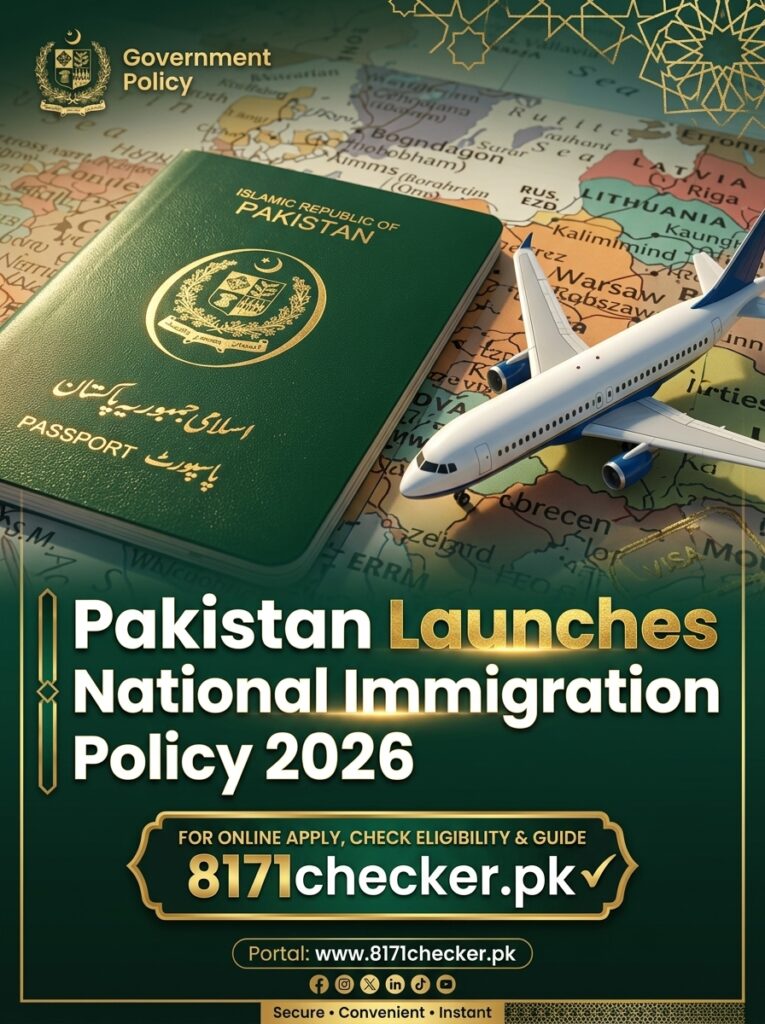
Pakistan has officially launched the National Emigration and Welfare Policy 2026, a comprehensive reform framework aimed at strengthening skills development, worker protection, remittance channels, and reintegration support for more than 11 million Overseas Pakistanis. National Emigration & Welfare Policy 2026.
The policy was unveiled in Islamabad by Federal Minister for Overseas Pakistanis and Human Resource Development Chaudhry Salik Hussain, in the presence of foreign diplomats, international organisations, federal and provincial officials, development partners, and media representatives.
This policy marks a major shift in Pakistan’s approach to labour migration, aligning domestic skills with global standards and addressing long‑standing gaps in governance, remittances, and worker welfare.
Why the Policy Was Needed
Pakistan’s labour migration system has historically faced challenges such as:

- Fragmented governance
- Skills shortages
- Informal remittance routes
- Weak reintegration support
- Limited protection mechanisms abroad
With global labour markets increasingly demanding high‑skilled workers, Pakistan aims to position itself as “a country of choice for sourcing quality human resource.”
Key Features of the National Emigration & Welfare Policy 2026
| Component | Details |
|---|---|
| Labour Market Research Cell | Tracks global job trends and demand |
| Revised OEP Regulations | Stricter rules for Overseas Employment Promoters |
| Expanded Role of Community Welfare Attachés | Stronger support for Pakistanis abroad |
| EU Talent Partnerships | New pathways for skilled migration |
| Digital Migration Platforms | PAKTOK App, Emigrant Management Framework, e‑Informed Migration |
| Skills Alignment | TVET curricula aligned with NAVTTC & international standards |
| Women & Disability Inclusion | Greater participation of underrepresented groups |
| Worker Protection | International Call Centre, Special Courts, legal support abroad |
| Remittance Reforms | Promotion of formal channels (SDRP, RDA, NPC) |
| Reintegration Support | National profiling database, referral networks, equivalency programmes |
Record Remittances Highlight Importance of Overseas Workers
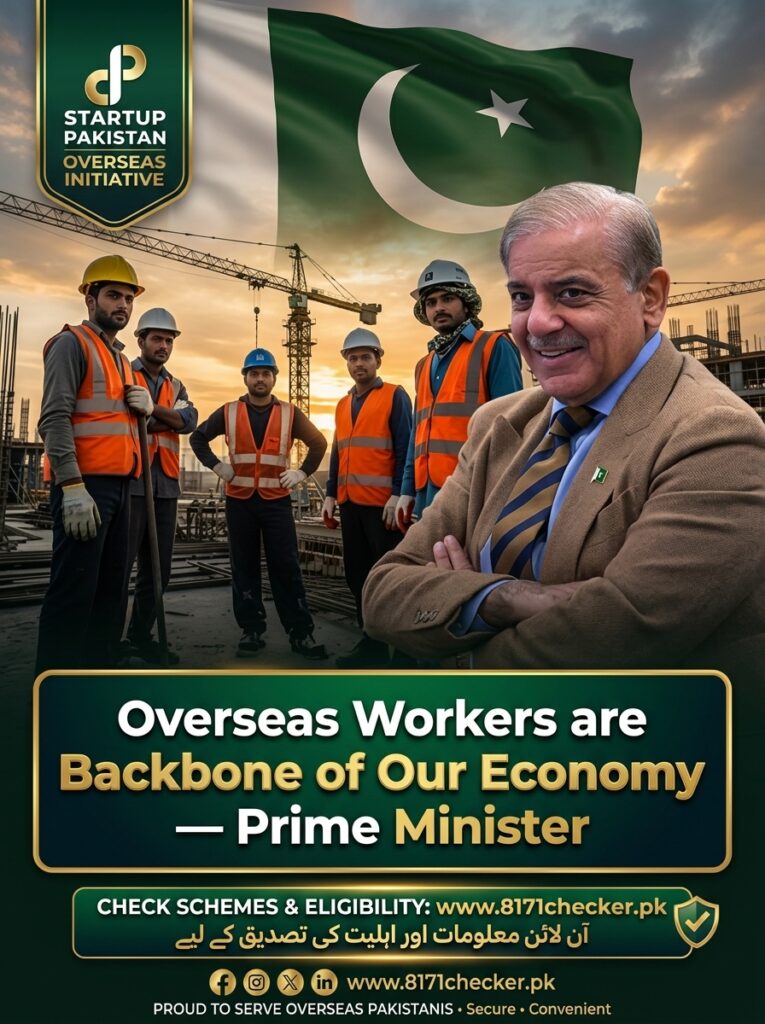
Minister Hussain highlighted that overseas Pakistanis are central to the country’s economic stability, with remittances reaching a record USD 41.58 billion in FY 2025‑26 — the highest foreign exchange inflow in Pakistan’s history.
Digital Transformation of Migration Services
The policy introduces several digital tools to modernize migration governance:
Digital Platforms Introduced
| Platform | Purpose |
|---|---|
| PAKTOK App | Digital migration services for workers |
| Pak Emigrant Management Framework | Centralized migration data |
| e‑Informed Migration Framework | Pre‑departure information & training |
These platforms aim to reduce paperwork, improve transparency, and streamline overseas employment processes.
Expansion of Emigration Services Across Pakistan
To ensure nationwide access, emigration services will be expanded to:
- Sindh
- Balochistan
- Gilgit‑Baltistan
- Azad Jammu & Kashmir
- National Emigration & Welfare Policy 2026
This expansion will help workers from remote regions access overseas employment opportunities.
Skills Development & Centres of Excellence
The policy aligns Technical and Vocational Education and Training (TVET) curricula with:

- NAVTTC
- International training institutions
New Centres of Excellence will be established to produce globally competitive workers.
Worker Protection Measures
| Measure | Purpose |
|---|---|
| International Call Centre | Complaint handling for overseas workers |
| Special Courts | Faster dispute resolution |
| Legal Arrangements in GCC Countries | Support through local law firms |
| EOBI Pension Scheme | Retirement security for overseas workers |
| Education Vouchers | Support for children of migrant workers |
These reforms aim to safeguard workers from exploitation and ensure their rights abroad.
Formal Remittance Channels Strengthened
To discourage Hawala and Hundi, the government will promote:
- Sohni Dharti Remittance Program (SDRP)
- Roshan Digital Account (RDA)
- Naya Pakistan Certificates (NPC)
- National Emigration & Welfare Policy 2026
This shift will increase transparency and strengthen Pakistan’s financial system.
Reintegration Support for Returning Workers
Returning emigrants will receive:
- National profiling database
- Referral networks
- Skills equivalency programmes
- National Emigration & Welfare Policy 2026
These measures help workers reintegrate into the domestic job market and utilize skills gained abroad.
Implementation Timeline
| Phase | Duration | Focus |
|---|---|---|
| Short‑Term | 1 year | Immediate reforms & digital rollout |
| Medium‑Term | 2 years | Skills alignment & institutional strengthening |
| Long‑Term | 3 years | Full migration governance transformation |
A high‑level task force, chaired by the Federal Minister for Overseas Pakistanis, will monitor implementation and coordinate across agencies.
Acknowledgements
The policy was finalized with support from:
- Provincial governments
- International Centre for Migration Policy Development (ICMPD)
- Special Investment Facilitation Council (SIFC)
- National Emigration & Welfare Policy 2026
Conclusion
The National Emigration and Welfare Policy 2026 is a landmark reform that modernizes Pakistan’s migration governance, strengthens worker protection, expands global employment opportunities, and enhances remittance flows. By aligning skills with international standards and introducing digital migration platforms, Pakistan is positioning itself as a reliable source of skilled human resource for global markets.
This policy sets the foundation for a more secure, efficient, and future‑ready migration system, benefiting millions of overseas workers and contributing to Pakistan’s long‑term economic stability.

